
ARC Dialysis provides comprehensive care across all major kidney failure treatment modalities
Peritoneal Dialysis
Uses the peritoneum as a natural filter to remove waste, toxins and excess fluid from your body — often performed at home.
Hemodialysis
Filters waste, toxins and excess fluid directly from your blood using a dialysis machine, typically three times per week at a clinic.
Kidney Transplant
A surgical option that replaces a failed kidney with a healthy donor kidney — potentially offering the best long-term outcomes.
What is Peritoneal Dialysis?
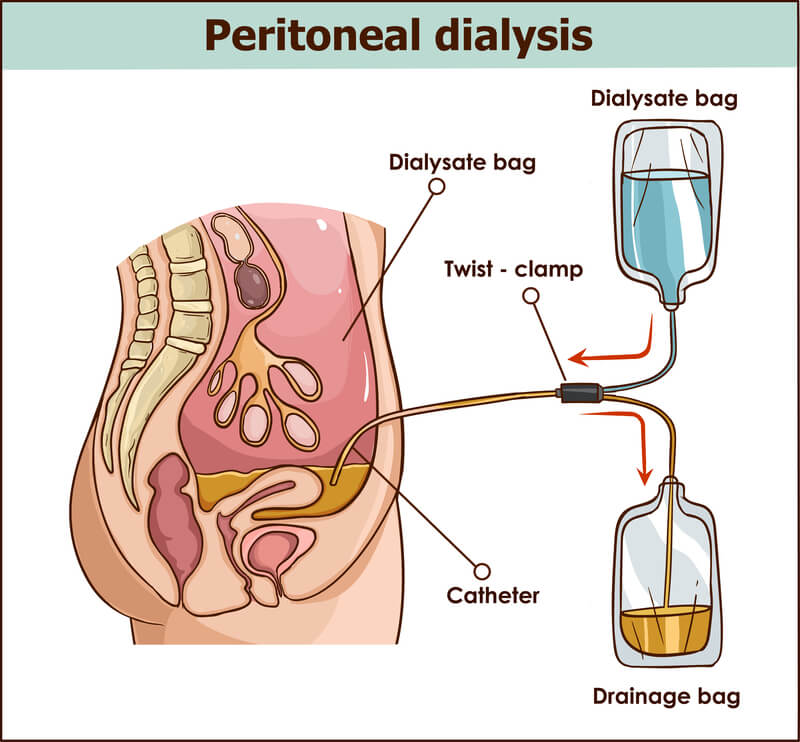
Peritoneal dialysis is a treatment to remove waste, toxins and excess fluid from the body. Your doctor will order a liquid, often called a bath or dialysate, that is drained into your abdomen from a bag.
Your physician will order that a catheter is placed in your abdomen — this is a small tube that will deliver your treatment. The liquid stays in your abdomen for several hours, this is often referred to as the dwell time. The dialysate will pull the waste, toxins and excess fluid through your peritoneum, a thin lining of your abdomen which acts as a filter.
The procedure of filling your abdomen with dialysate and several hours later draining is called an exchange.
Learn More at NIDDK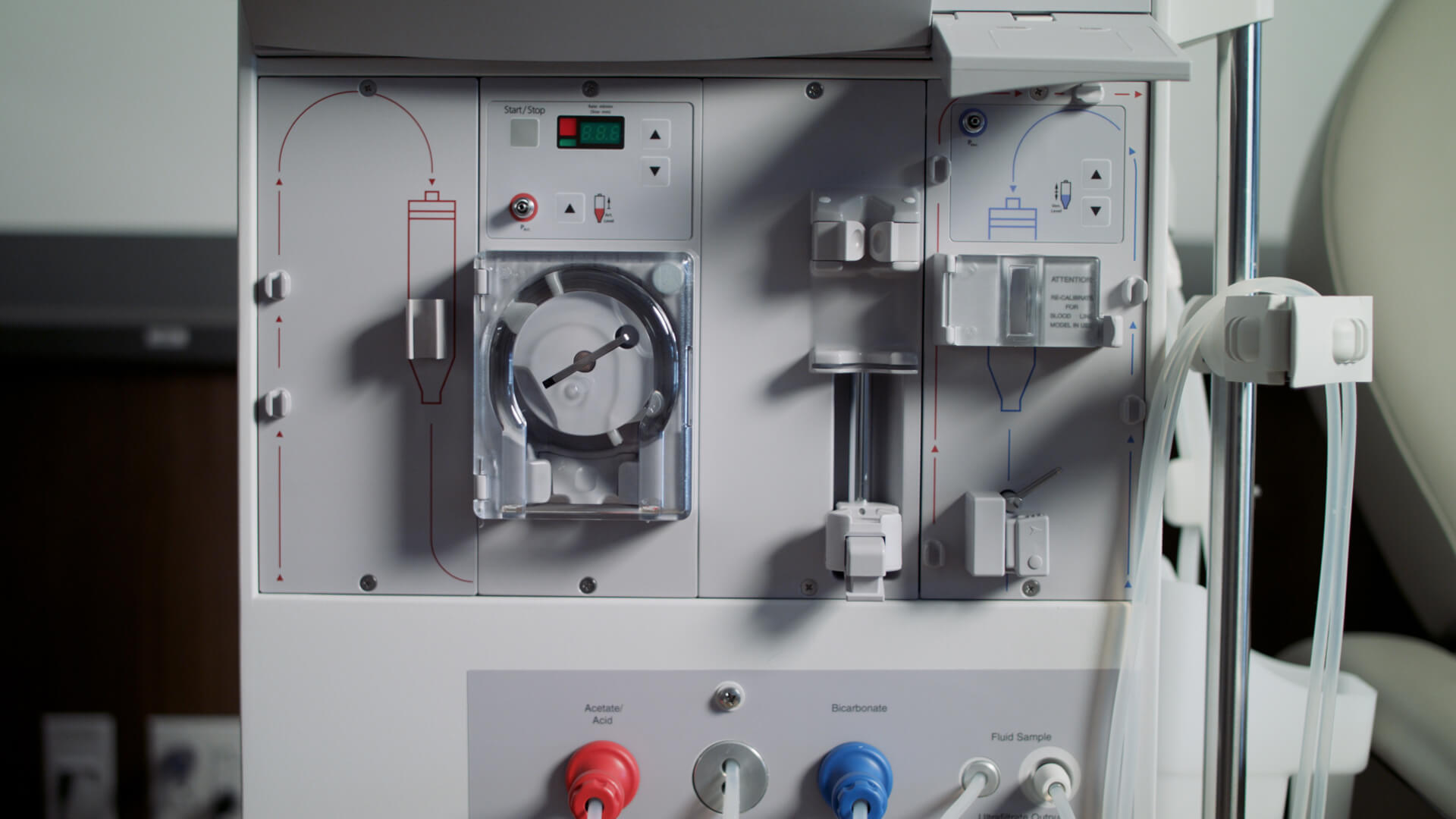
What is Hemodialysis?
Hemodialysis is a treatment to filter waste, toxins and excess fluid from your blood. The kidneys are your body's natural chemist, controlling your blood pressure and keeping your minerals in balance.
The treatment is performed in a dialysis clinic, normally three times a week under your doctor's orders. A dialysis nurse or technician will place two needles in your access — an AV fistula created by your surgeon or a catheter.
The treatment prescription is outlined and ordered by your Nephrologist for you to receive the best care. The dialysis unit is fully staffed with a licensed social worker and a dietitian for nutrition needs. Prior to starting dialysis, you may benefit from a scheduled visit to meet the staff that will care for you.
Learn More at NIDDK
What is Kidney Transplant?
Often people with kidney failure may be able to have a kidney transplant, sometimes before dialysis. Tell your physician or nurse early that you want to consider a kidney transplant. Your doctor will determine if you are healthy enough to have a transplant.
A working kidney from a transplant will do a better job of filtering your blood, however you will be on a regime of medicines. Transplants can come from people you know and may come from someone who has recently died.
There is a shortage of donors so in some areas of the country the wait is several years. Your physician will refer you to a transplant center, where you will undergo testing. If you find a living donor, they will be tested also for compatibility.
Learn More at NIDDKHave Questions About Your Treatment Options?
Our experienced team is here to help you understand your choices and find the best treatment plan for your lifestyle.